Bitatin.internationaltrading@gmail.com
 +989331038224


 Bitatin.internationaltrading@gmail.com
+989331038224
Bitatin.internationaltrading@gmail.com
+989331038224

 Bitatin.internationaltrading@gmail.com
 +989331038224


Why Spring Tillage Can Transform the Future of Your Fig Orchard
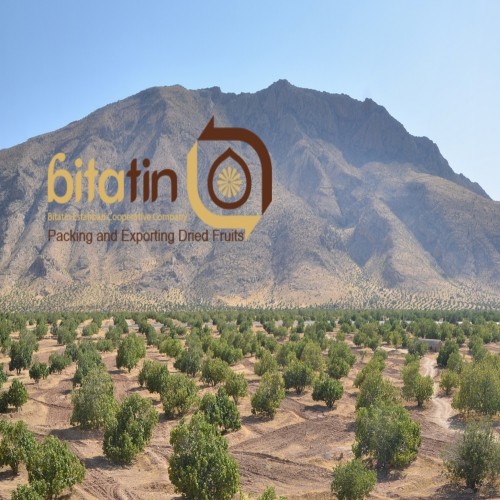
Have you ever wondered why some fig orchards produce outstanding harvests and remain clean and healthy throughout the growing season? One of the most important reasons is a key spring operation: tilling between the rows of fig trees.
Tillage is more than simply turning the soil. It helps the soil breathe, improves growing conditions, and removes hidden threats that can affect tree health.
The Best Time for Tillage
The ideal time to till a fig orchard is May. During this period, the soil is ready to benefit from cultivation. Proper tillage improves the soil's ability to absorb water and nutrients throughout the growing season.
Choosing the Right Method: Spade or Tractor?
Professional orchard management requires selecting the right tool based on the orchard's conditions.
For small orchards or land with steep slopes, manual tillage is the best option. Using a spade allows the soil to be loosened carefully while reducing the risk of damaging the main root system.
For large and level orchards, tractors provide a faster and more efficient solution. Mechanical tillage covers larger areas evenly and prepares the soil more effectively, making it the preferred choice for commercial orchards.
Three Main Benefits of Spring Tillage
Proper tillage directly supports tree growth and improves orchard productivity.
Compacted soil limits root development. Tillage loosens the soil, allowing air, water, and nutrients to reach the root zone more easily.
Weeds compete with fig trees for water and nutrients. Removing weeds through tillage helps ensure that more resources are available for healthy tree growth and fruit production.
Many insects and harmful animals hide beneath the soil or among weeds. Tillage exposes these pests, reducing their population and helping protect tree roots and trunks.
Conclusion
If you want healthier fig trees and higher yields, do not overlook spring tillage in May. Rather than being an expense, it is a valuable investment in the long-term health, productivity, and sustainability of your orchard.
 About Bitatin
We proudly notify that we use the most updated and high-tech machinery like color sorting machine, a fully equipped laboratory, popular certifications like Global Gap to produce our highest quality products according to the global standards of the world to attract the customer satisfaction.
Member of the :
- Board of directors of Estahban Fig Trade Union
- National Fig Association - Board of experts of Iranian fig
 Links
Links
 Contact Us


 Follow Us